
Spoor 2 Solution for Employers Dealing with Long-Term Absenteeism
We employ the long-term sick employee.
Managing Long-Term Absence Without Additional HR or Management Burden
As an employer, you know better than anyone that motivated and skilled staff are essential for success. Long-term absenteeism has a major impact on this. We can help you with that. We offer a supplement to your regular absence management approach that delivers the fastest results, is the most efficient, and at the same time provides the best care for your employee.
How We Do This
We take over your long-term absent employee, preferably just before the start of the second-track process, and provide the best possible environment to enable your employee to more suitable work. You can immediately eliminate productivity loss by hiring a new employee. All management and HR efforts are no longer required. Other employees no longer have to fill in the gaps. All costs associated with the second-track process are eliminated, and all risks related to wage sanctions, continued benefit payments, and repeated reintegration costs are removed.

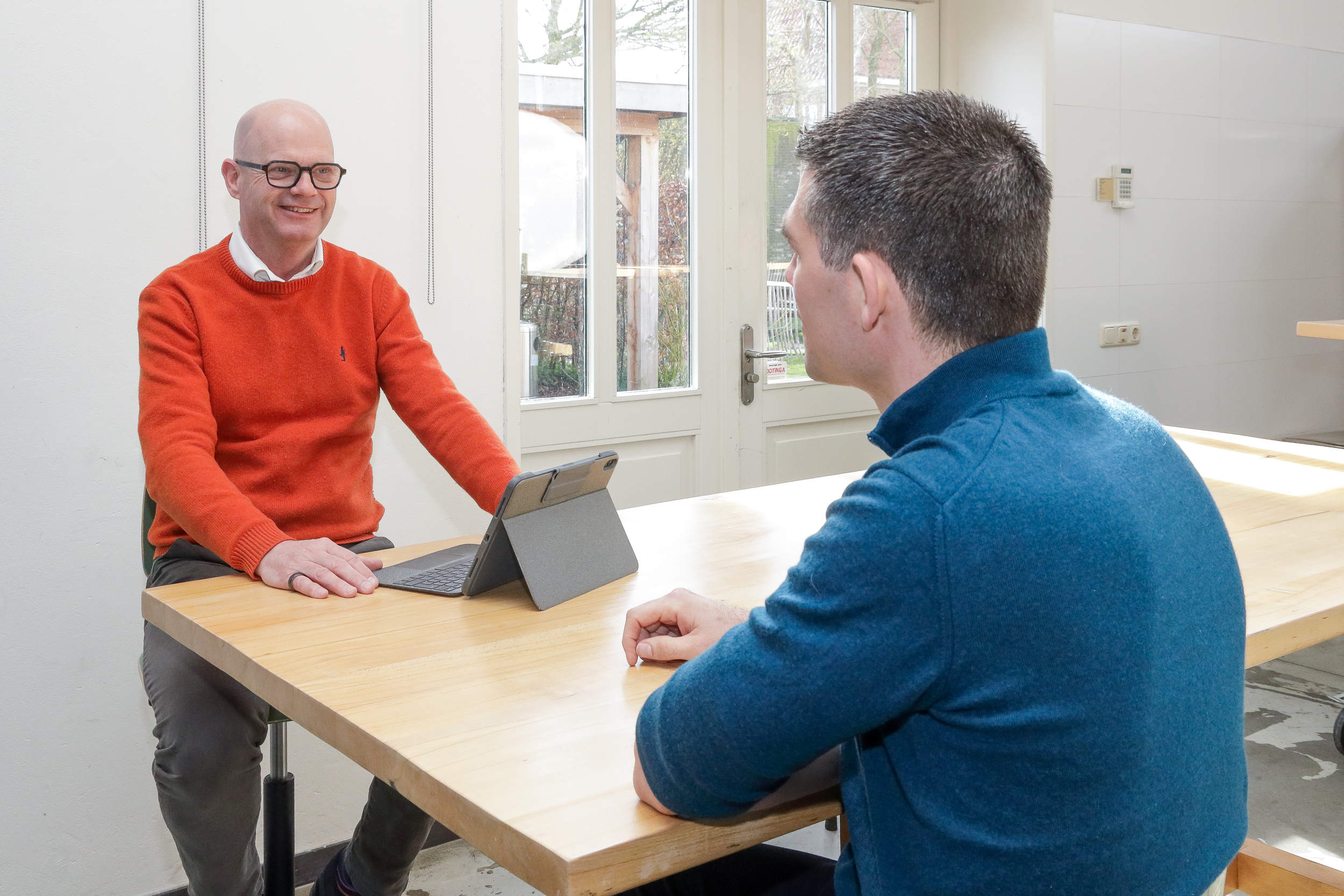
We successfully helped almost 500 people get back into work
Wat kost een langdurig zieke medewerker?
Deze rekentool geeft een inschatting van de werkgeverskosten bij langdurige ziekte.
Collaborations











Calculate your
costs
This overview is based on the information you provided and reflects the estimated employer costs associated with long-term sick leave.
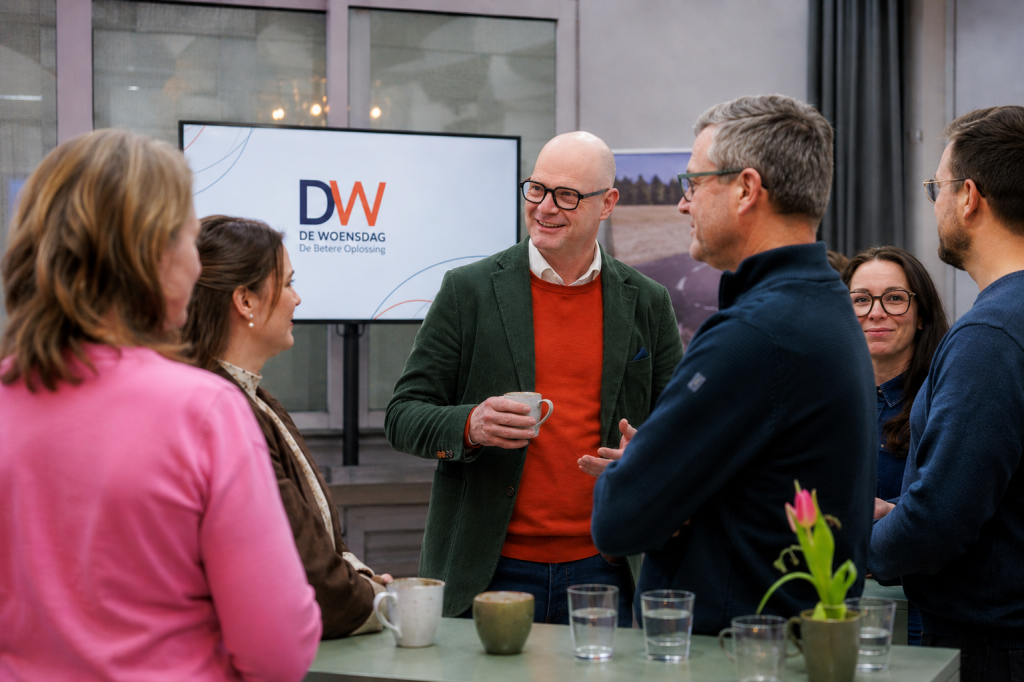
De Woensdag
in real life
See how we helped an employer reduce costs and reintegrate a long-term absent employee efficiently. This example case shows the results and approach in practice.
Frequently Asked Questions
What will the outplacement to 'de Woensdag' cost
As we aim to keep the labour conditions for the employee identical to the current conditions we charge (the gross salary + employer cost) x the number of month contracted. The amount of month is calculated from the start of our contract until the legal end of the ’tweede spoor’ with a minimum contract of 7 month.
What contract do we sign?
Once you as employer agree to the conditions, we will discuss with your employee. Only when the employee agrees, we will sign a tri-partite contract. We will create the labour agreement for the employee. We will send our invoice to you. Once the payment is in, the employee signs our the new labour agreement, resigns and joins de Woensdag.
How fast can we move
We can move in days but realistically the whole proces takes a couple of weeks for everyone to be comfortable with all elements.
Why should my employee agree to a fixed contract when they have an indefinite contract?
De wet poortwachter is created to protect the employee while allowing the employer to fire a sick employee after twe years of illness to ensure business continuity. The first year being spoor 1, the second year being spoor 2. For the employee this means the ‘indefinite’ contract in reality will end after these two years.The temporary contract with de Woensdag ends at exactly the same date but provides the best possible opportunity to not end up ending up in WIA or WW.
What are the benefits of choosing for the Woensdag?
With the solution of de Woensdag you eliminate all ’tweede spoor’ related cost (roughly fifteen thousand euro and up) All workload and frustrations related to the process for all, are gone. The lack of output of the ill employee can now be delivered by a new employee if so desired, instead of the rest of the team having to fill the gaps.
What are the steps to make this all happen?
First step is to calculate in detail the gross income and other benefits in order to be able to provide the identical offering to the employee. Second step is you as employer agree on the proposal to the employee. Third step is we propose the de Woensdag concept to the employee. Once the employee agrees, we sign the tri-partite contract as step 4. Step 5, we create the labour agreement for the employee. Step 6, you pay our invoice, the employee signs the about agreement, resigns and joins de Woensdag.
Why is a regular reintegration approach more expensive?
While we do realise paying the total employer cost until the end of spoor 2 at once is a large sum, though it has some significan benefits. It ensures you do not have to pay any reintegration out of pocket expenses (15 thousand euros and up) in addition to those employer cost you have to pay over time anyway. You also eliminate the risk of potential penalties for not fulfilling all legal requirements of the law. If you are a ‘risicodrager’ you also eliminate the up to requirement of paying for social benefits PLUS reintegration cost for up to 10 years!
What risks are there for us?
To be honest, we have not identified any risk for the employer.
What does my insurance pay?
Most insurances do not pay for the service of de Woensdag as it usually does not fit their business case but it can be discussed ofcourse. Sometimes it is better to use the insurance service and follow the normal tweede spoor reintegration approach. We are very willing to doing the analysis together comparing your specific insurance benefits and the de Woensdag concept.
When do we need to pay?
Payment of our invoice should be before the employee resigning to ensure certainty for the employee.
Who else offers this solution?
At this moment there is no other company offering this concept specifically. Many ARBO diensten have it somewhere in their offering but chose not to actively offer it as it is higher risk and lower margin for them.
When does the de Woensdag solution NOT work for us?
The solution does not work when you are fully insured for spoor 1 and spoor 2 and the insurance company is not willing to pay for our solution. Does not harm to explore if reducing the insurance cost to spoor 1 only and adding the de Woensdag concept reducing the
Contact us
Have more questions or want to discuss your case? Fill out the form below, and our team will get back to you with guidance or next steps.